
 EN
EN
 AR
AR BG
BG HR
HR CS
CS NL
NL FI
FI FR
FR DE
DE EL
EL IT
IT JA
JA KO
KO NO
NO PL
PL PT
PT RO
RO RU
RU ES
ES SV
SV TL
TL ID
ID LV
LV LT
LT SK
SK VI
VI HU
HU TH
TH TR
TR AF
AF MS
MS GA
GA BN
BN LO
LO LA
LA MN
MN NE
NE MY
MY UZ
UZ SM
SM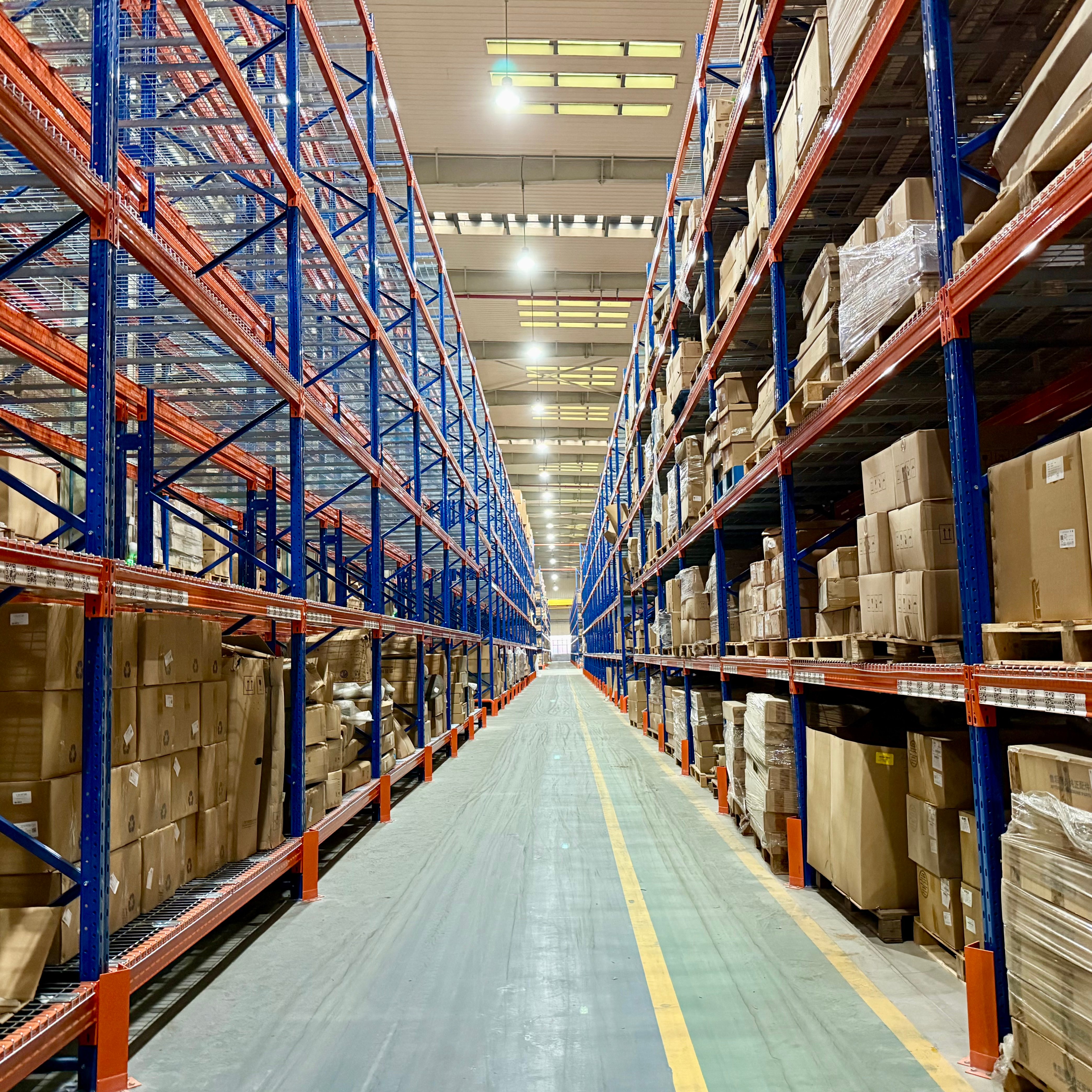
Inspecting your industrial rack for structural damage is very important. Industrial racks are used in warehouses and factories to store items safely. If these racks is damaged, they can fall and cause accidents or injuries. Regular checks help keep everyone safe and the workplace running smoothly. At EVERUNION, we know how vital it is to keep equipment in good shape. This article will guide you on how to check your industrial pallet racking for damage, ensuring safety in your work environment.
How to Spot Structural Damage in Industrial Racks for Better Safety?
To spot structural damage in industrial racks, start by looking for bent or twisted beams. These problems can make the rack unstable. If a beam looks like it’s not straight, it might not hold weight properly. Check for cracks too. Small cracks can become big problems later, so it’s best to catch them early. And look closely at the welds. If the welds show signs of breaking or peeling, that means they might not be strong enough. This could lead to the whole rack collapsing.
Next, pay attention to the b ase of the rack. If the base is not level, it could tip over. Water damage can happen if a rack is near a leak, because water can weaken the metal over time. It’s also smart to check for rust. Rust is a sign that the metal is wearing away, and it can make the rack less safe.
Don’t forget to look at how the racks are loaded. If they are overloaded, it can cause stress on the frame. Always follow the weight limits set by the manufacturer. At EVERUNION, we suggest marking these weight limits clearly on the racks. Regular inspections help catch issues before they lead to accidents. Make it a habit to check your racks monthly or after any heavy use. So, this way, you can keep your workplace safe and efficient.
What to Check for in Industrial Racks for Wear and Tear?
When checking your industrial racks for wear and tear, start with the bolts and nuts. Ensure they are tight and not rusty. Loose bolts can lead to serious accidents. Look at the shelves, too. If the shelves are sagging, they might need replacing. A sagging shelf can drop items unexpectedly, which is dangerous.
Also, inspect the paint. If the paint is chipped or peeling, it can mean the metal underneath is exposed to air and moisture, which can cause rust. Touching the metal to feel if it’s rough or smooth can help you figure out if rust is starting to form. If you see corrosion, clean it off and protect the area right away.
Another tip is to observe how the rack is being used. If employees are stacking items carelessly, it can lead to uneven weight distribution. Encourage everyone to follow safe stacking practices. Lastly, remind your team to report any issues they notice. Sometimes, problems are easier to spot from someone else's perspective. At EVERUNION, we believe that teamwork helps maintain safety. Regular training can help employees know what to look for during their checks. This creates a culture of safety and ensures everyone plays a part in keeping the workplace secure.
By following these steps, you can keep your industrial racks safe and sound. Regular inspection helps prevent accidents and ensures smooth operations. Remember, safety is not just a task; it’s a priority for all of us.
How to Maintain Your Industrial Racks for Long Performance?
Keeping your industrial racks in good shape is very important for safety and efficiency in your workplace. At EVERUNION, we believe that regular maintenance can help your racks last a long time. First, you should always check your racks for any signs of damage. Look for bent beams, rust, or loose bolts. If you see anything wrong, fix it right away. It’s also a good idea to clean your racks regularly. Dust and dirt can build up and cause problems over time. Use a damp cloth to wipe them down and make sure they are free from any debris.
Another important tip is to avoid overloading your racks. Every rack has a weight limit, and it’s crucial to follow that limit. Overloading can cause the racks to bend or even collapse. Make sure to know the weight capacity of your racks and never exceed it. You can find this information in the user manual or on a sticker on the rack itself.
Also, train your workers on how to use the racks safely. They should know the correct way to load and unload items. If workers are careful and follow the rules, the racks will stay in good condition for a long time. Finally, consider scheduling regular inspections of your racks. This can be done monthly or quarterly, depending on how much you use them. Having a checklist can help you remember what to look for during these inspections. By taking these steps, you can ensure that your industrial racks from EVERUNION perform well and keep your workplace safe.
Where to Get Quality Industrial Racks for Better Safety?
Finding quality industrial racks is essential for keeping your workplace safe and efficient. At EVERUNION, we offer durable and reliable racks that are designed to meet your needs. When looking for new racks, it's important to consider where you buy them. Start by checking with trusted suppliers who have a good reputation. You want to find a company that sells racks made from strong materials. Steel is often the best choice because industrial warehouse rack can hold heavy loads without bending or breaking.
Another way to ensure safety is to look for racks that have safety features. Some racks come with special designs that prevent tipping or falling. For example, some have safety clips or guards that keep items secure. When you buy racks, always ask about these safety features to ensure you are getting the best for your workplace.
Reading reviews from other customers can also help you make a good choice. Look for feedback on the quality and safety of the racks. If other businesses are happy with their racks, it’s a good sign that you will be too. Don’t forget to compare prices, but remember that the cheapest option may not always be the best. Investing in high-quality racks from EVERUNION can save you money in the long run because you won’t have to replace them as often. Lastly, consider working with a professional who can help you choose the right racks for your space. They can provide valuable advice based on your specific needs and help you create a safer work environment.
How to Ensure Compliance with Safety Standards in Rack Inspections?
Keeping your industrial racks safe is not just a good idea; it’s also the law! At EVERUNION, we understand that following safety standards is very important. To ensure compliance, you need to know what the safety standards are for industrial racks. Start by checking local laws and regulations. They often provide guidelines on how racks should be built and maintained. Once you know the rules, you can better prepare for inspections.
Next, make a checklist for inspecting your racks. This checklist should include all the safety features you need to check. Look for things like rust, loose bolts, and any signs of wear and tear. Make sure to check that the racks are level and properly anchored. If you find any issues, fix them before they become bigger problems.
You should also keep records of your inspections. Write down what you checked and any repairs you made. This record can help show that you are following safety standards. If an accident happens, having this information can be very helpful.
Finally, consider hiring a professional to conduct your inspections. They have the experience and knowledge to identify problems that you might miss. Regular inspections and maintenance can help keep your workplace safe and compliant with safety standards. By following these steps at EVERUNION, you can ensure that your industrial rack are safe and ready for use.
Table of Contents
- How to Spot Structural Damage in Industrial Racks for Better Safety?
- What to Check for in Industrial Racks for Wear and Tear?
- How to Maintain Your Industrial Racks for Long Performance?
- Where to Get Quality Industrial Racks for Better Safety?
- How to Ensure Compliance with Safety Standards in Rack Inspections?