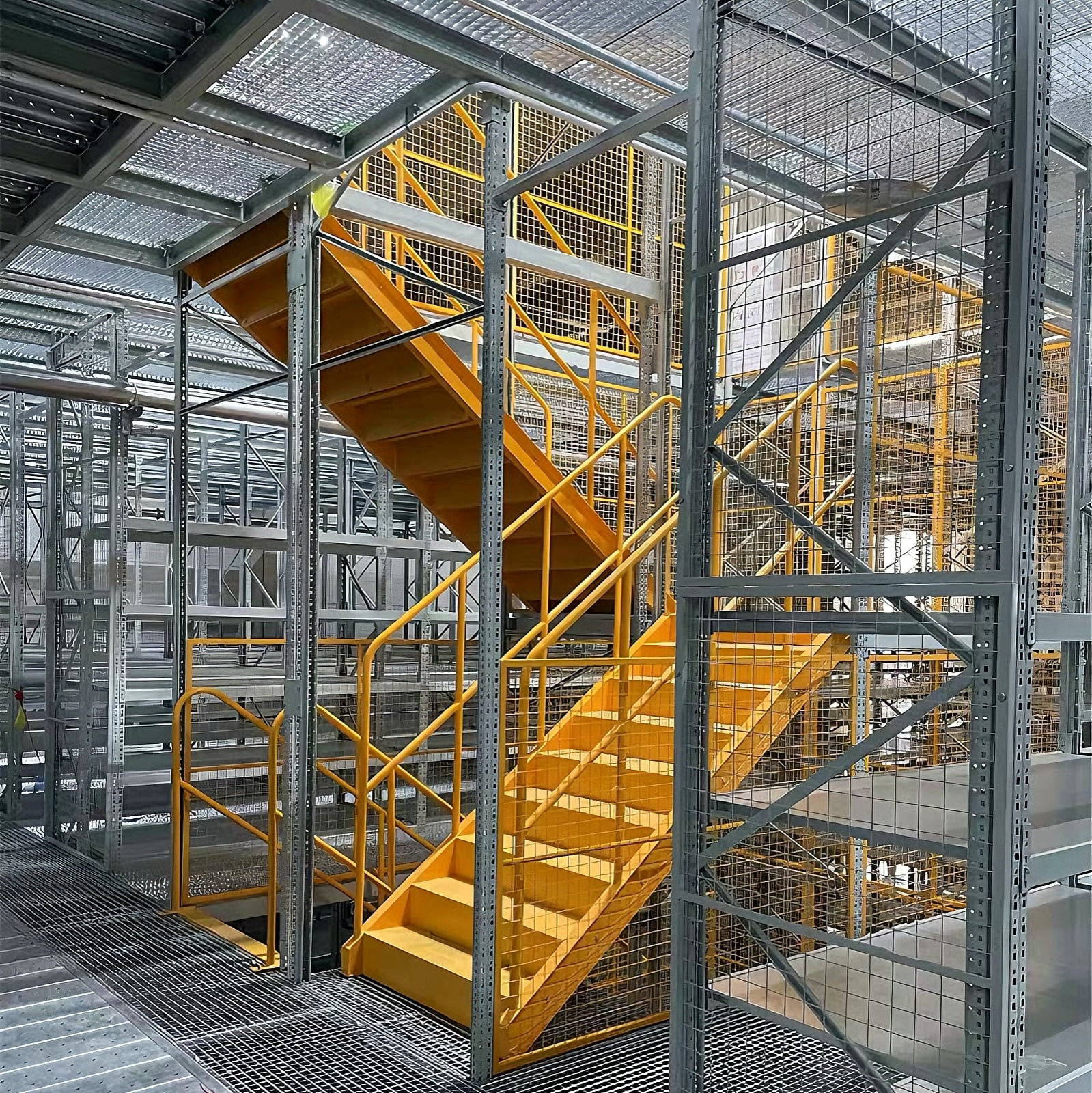
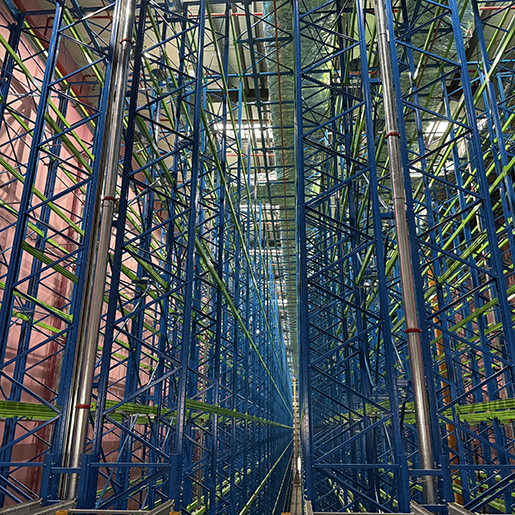
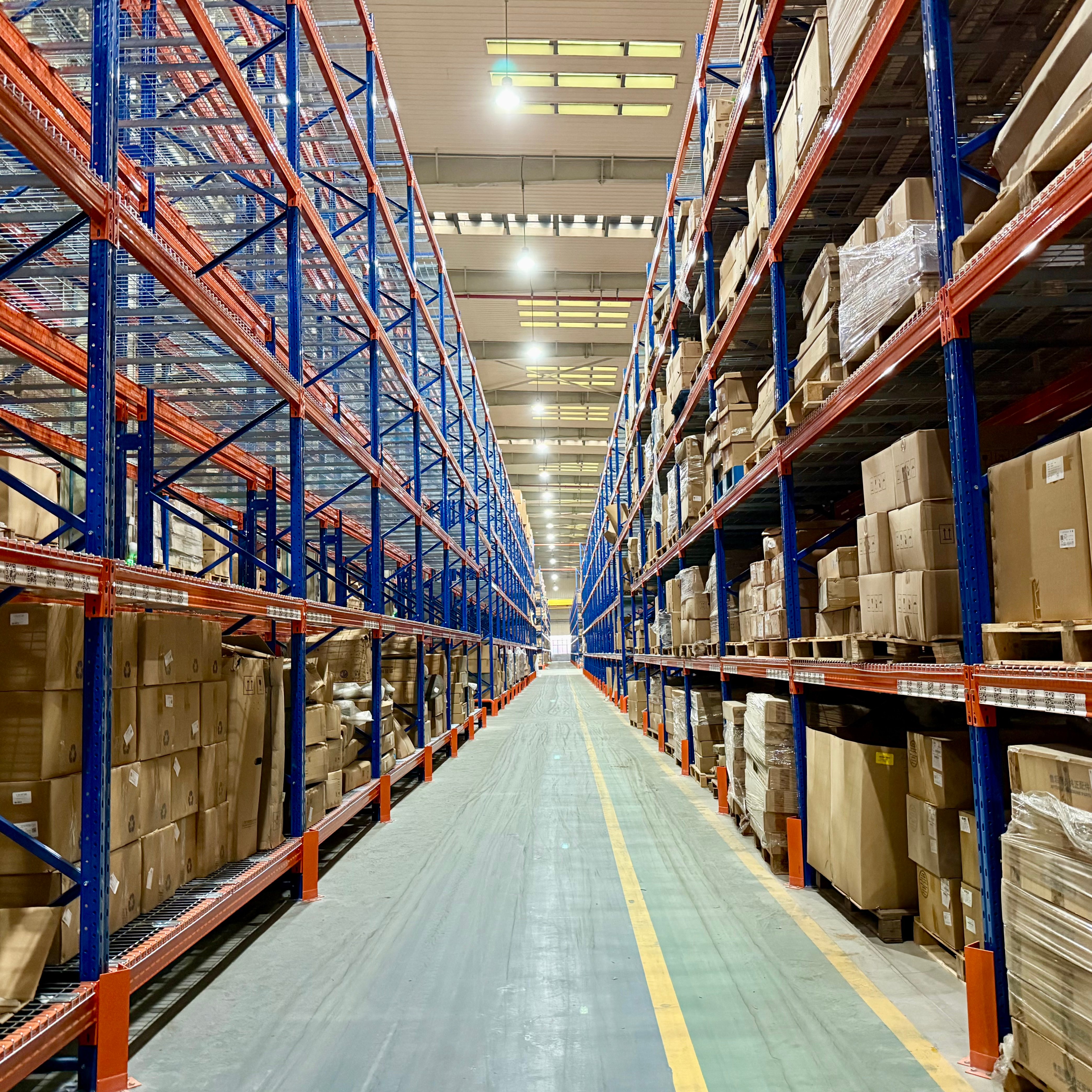
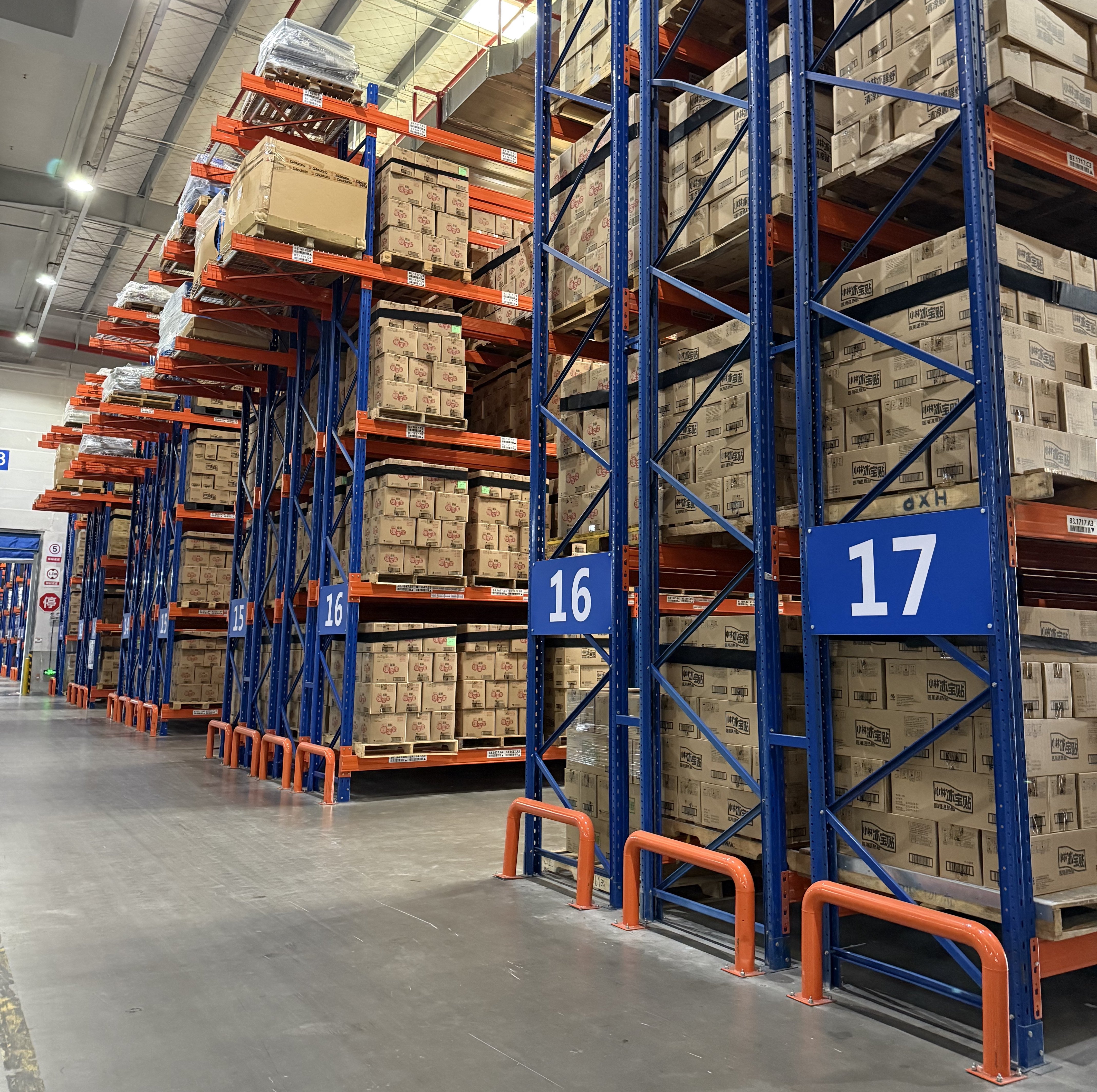
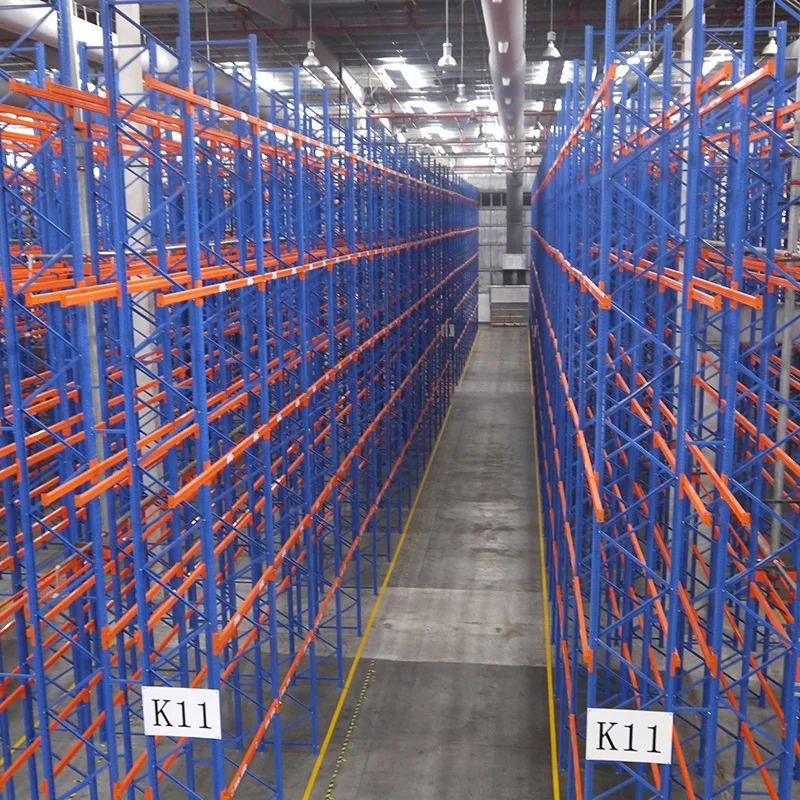
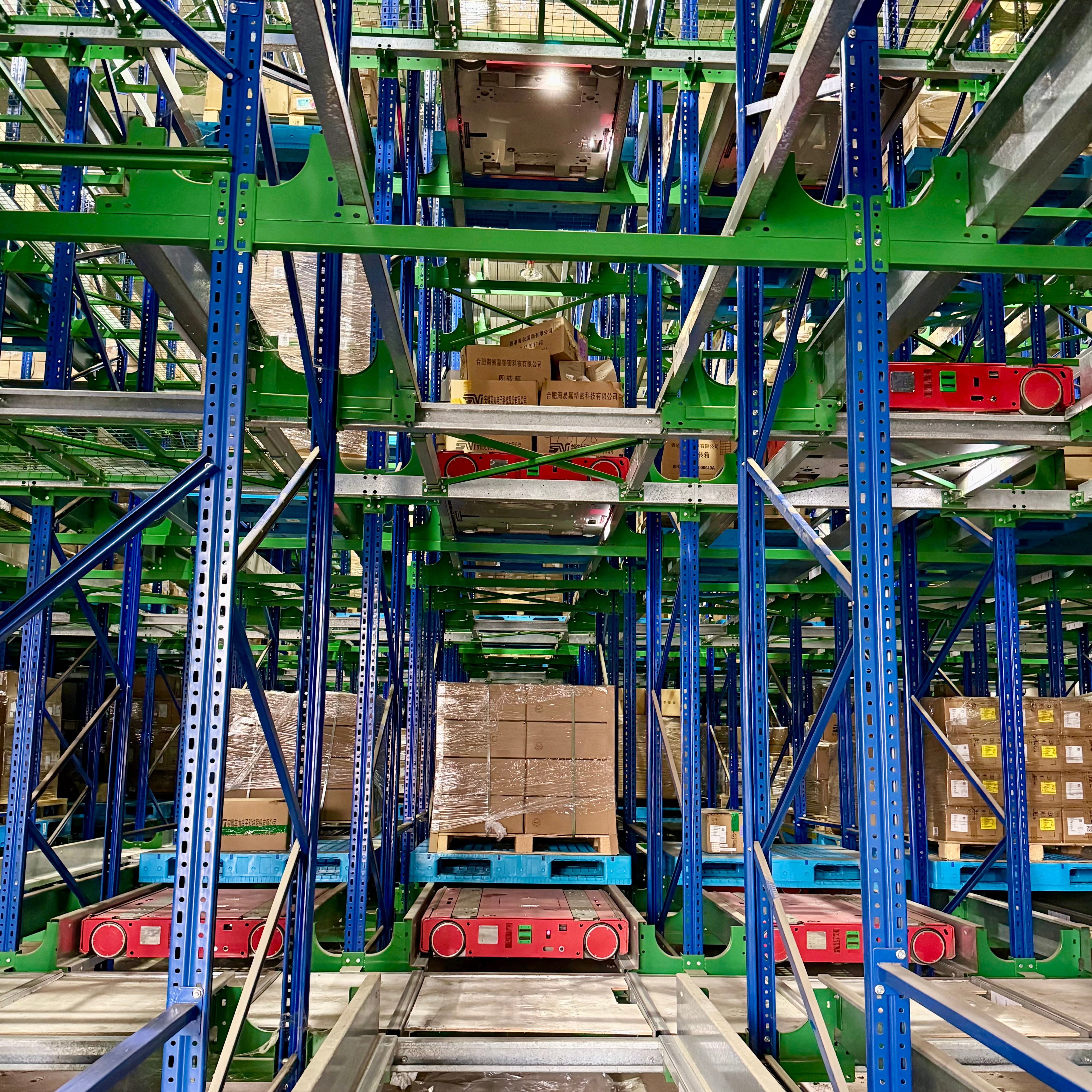
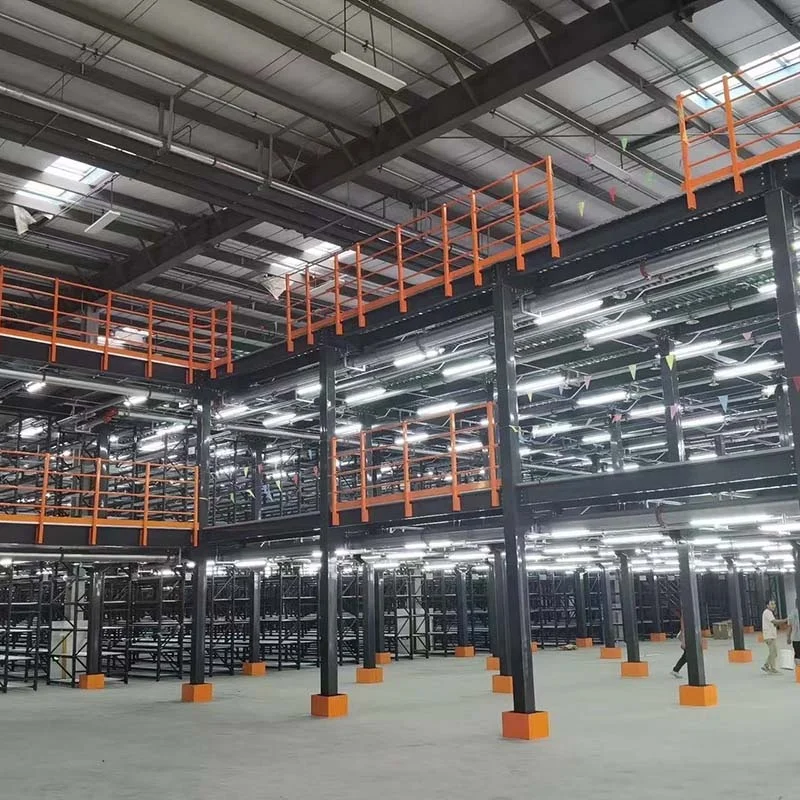
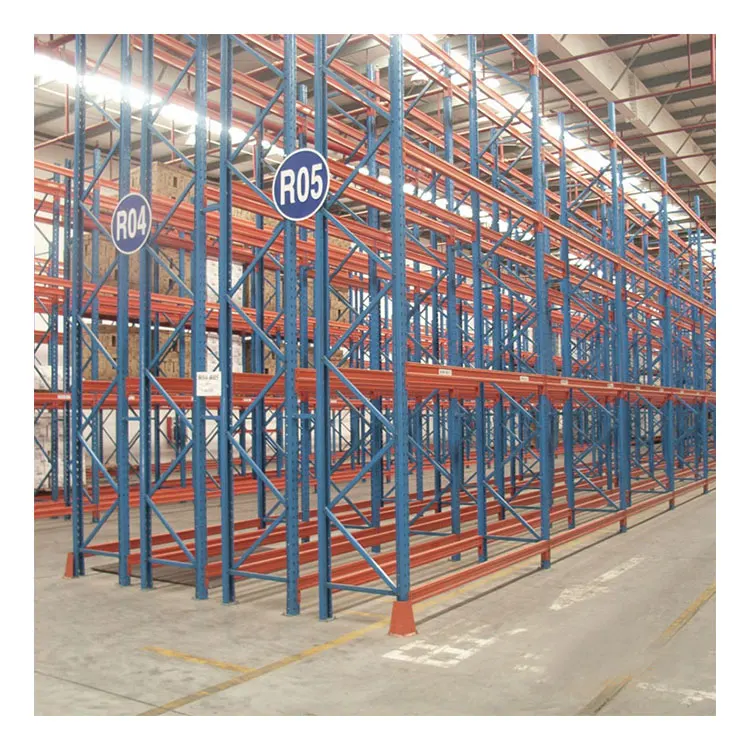
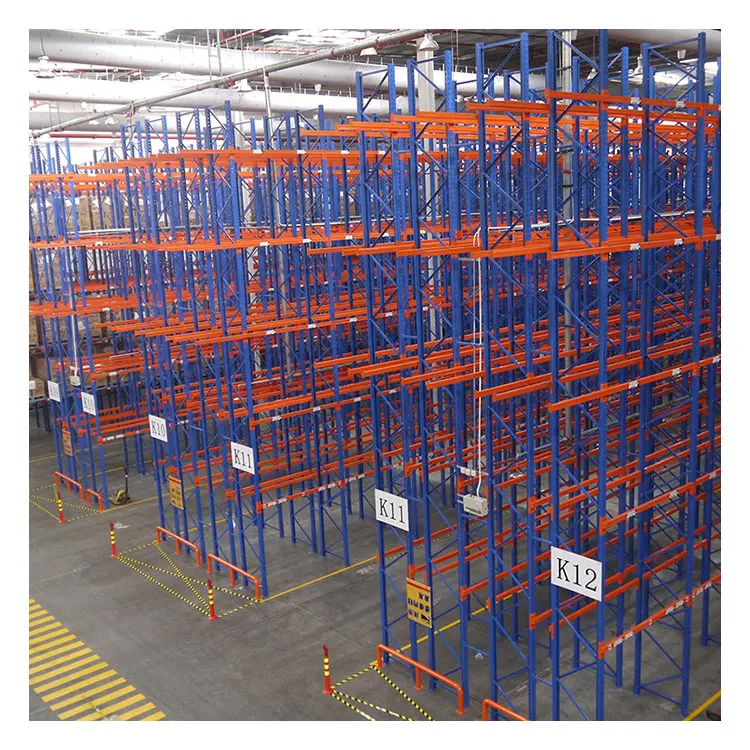
There are many cool construction projects, and these rely on special structures known as industrial mezzanine to hold up heavy stuff with the help of beams and supports. This article will offer insight into how cantilever systems function, the underlying concepts behind them, and where we encounter these structures in the real world. When we understand these concepts we appreciate the incredible engineering behind strong and beautiful structures.
Cantilever systems are interesting in that they are strong and effective systems that rely on science and engineering. An important concept that makes these systems function is leverage. In this case, leverage means using a small amount of force to lift or hold something much larger. Which is super useful when constructing things that have to bear a significant amount of weight.
Cantilever systems typically consist of a long beam supported on one end on a wall or similar strong foundation to hold the other end up. If you look at that beam, everything on it is distributed along the length, so it helps the structure to remain balanced and stable. When engineers create these systems, they need to carefully consider how the weight will be distributed.
Careful consideration goes into designing mezzanine platform so they can be safe and support the loads they are meant to. They consider all sorts of forces such as gravity (the one that brings everything down), wind (which can blow against buildings), as well as other forces that could influence the structures. They work out, using math and science how much weight the cantilever system can hold. They also decide what materials to use to make sure the structure is strong enough to support the weight it is going to hold.
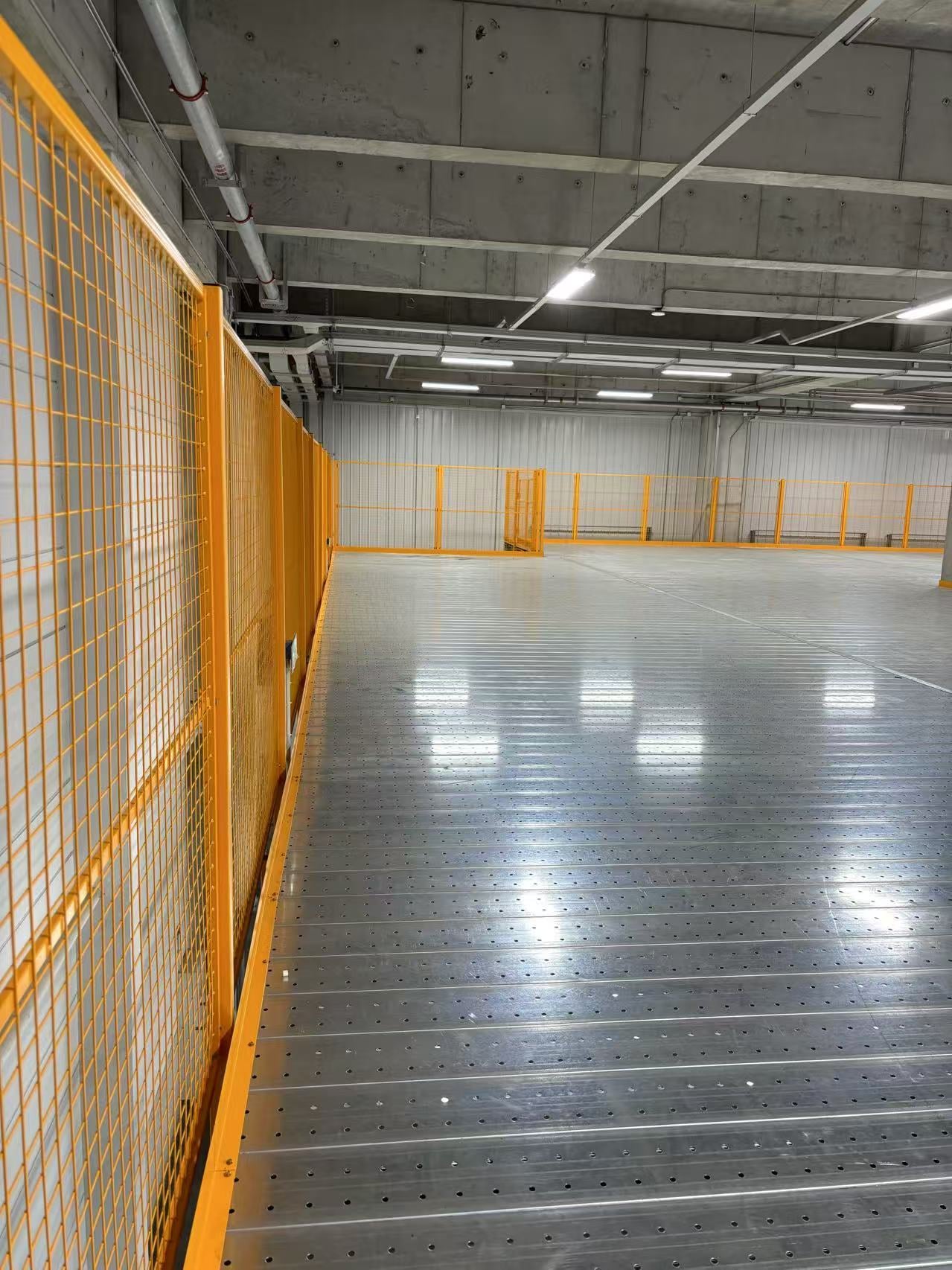
There is another relevant concept called structural integrity. This ensures that the elements used in the cantilever structure are robust, resilient, and capable of withstanding the loads they will encounter. When engineers designed these systems, they had to be careful about what materials they used and the duration of forces that would apply to the systems.
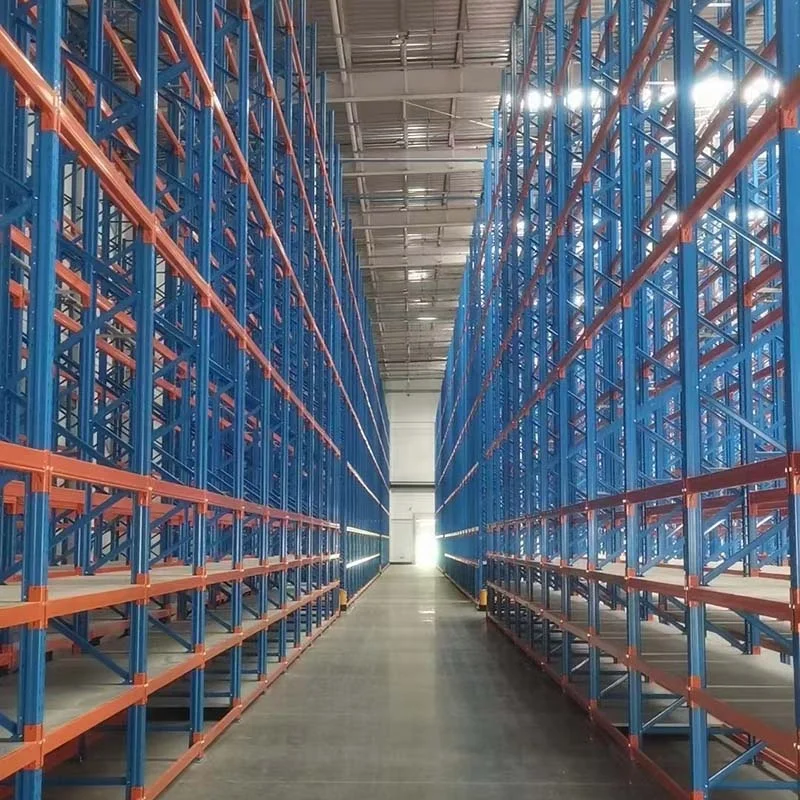
Finally, architects and engineers can employ clever design tools to optimize the efficiency of cantilever systems. One method is to use tapered beams, these are beams that decrease in size the further the end of the beam extends from the structure. This one aesthetic, needs less material to support the weight of the structure because it still helps to keep it more durable and stable.
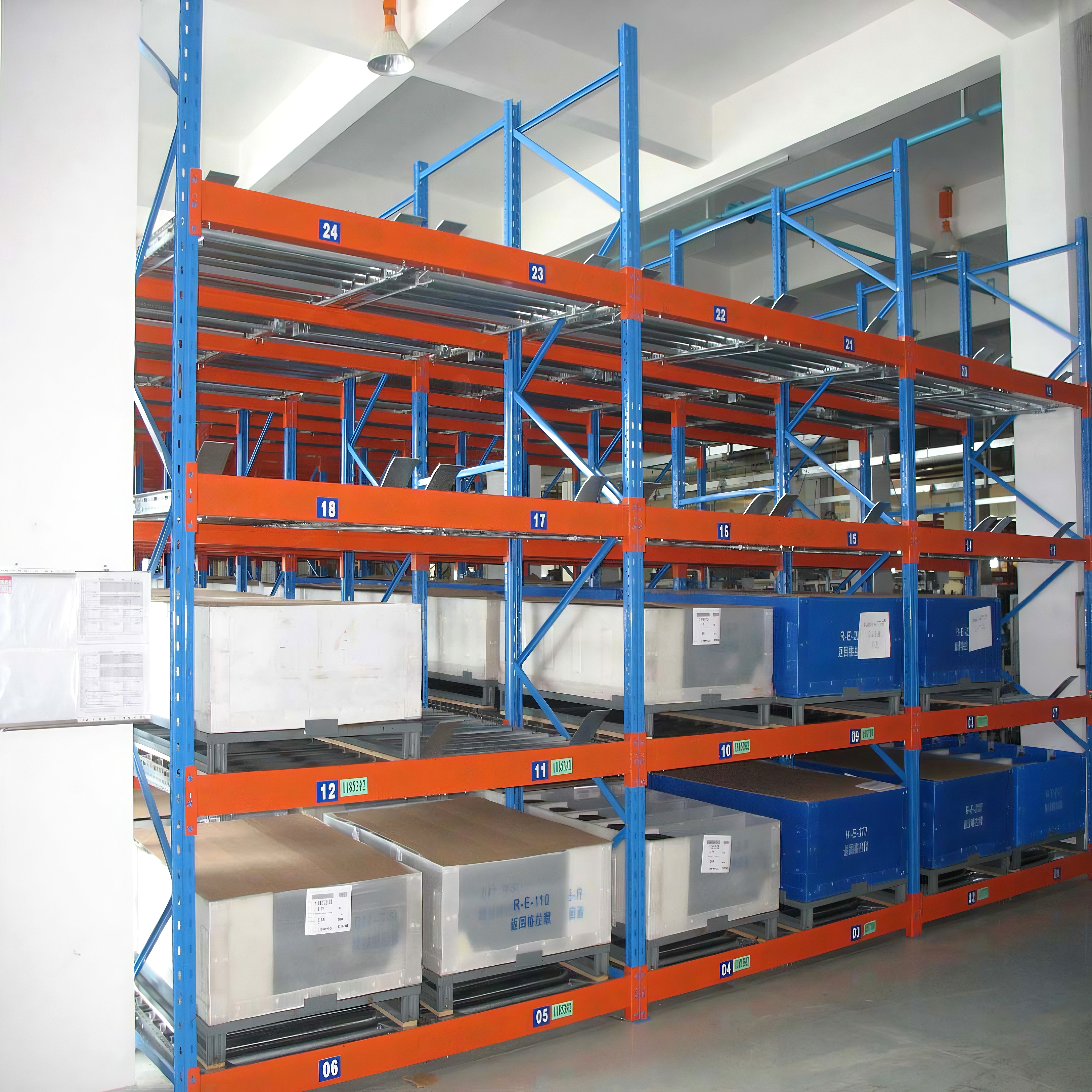
Using triangular supports is also a great option. These supports are important to distribute weight more evenly and to further stabilize the structure. This is the reason why many architects rely more on curved shapes, because it allows them to deliver weight in a more efficient way, as well as allowing them to deliver eye-catching and interesting structures.
Everunion has 20 years of experience and ensures that products are of high quality as well as precision and are up to the standards demanded by clients around the globe. Our efficiency and professionalism as well as our production procedures allow us to offer shorter time-to-market while still delivering quality.
By purchasing raw materials directly to ensure strict cost control, offering price-competitive pricing, but not compromising on quality. Our extensive pre-sales and after-sales services, coupled with extended warranties, provide customers with a sense of security and added value.
Everunion operates on a large campus equipped with the latest technology, supported by a dedicated workforce and a variety of production lines. We are able to handle high-volume requirements efficiently and reliably due to our huge size.
Everunion provides a variety of storage solutions that can meet different needs, ranging including racking with a selective design to custom designs. We offer customized solutions that accommodate the individual needs of each customer.

Be the first to get our latest styles and offers.
No.338 Lehai Avenue, Tongzhou Bay, Nantong City, Jiangsu Province
Copyright © Nantong Everunion Intelligent Logistics Equipment Co.,Ltd All Rights Reserved
 EN
EN
 AR
AR BG
BG HR
HR CS
CS NL
NL FI
FI FR
FR DE
DE EL
EL IT
IT JA
JA KO
KO NO
NO PL
PL PT
PT RO
RO RU
RU ES
ES SV
SV TL
TL ID
ID LV
LV LT
LT SK
SK VI
VI HU
HU TH
TH TR
TR AF
AF MS
MS GA
GA BN
BN LO
LO LA
LA MN
MN NE
NE MY
MY UZ
UZ SM
SM